
Hey, sorry about that, I couldn’t resist. It could be worse. I could be listening to the SEO experts and writing headlines that all sound exactly like this: Top 10 Best Tourist Sites in Prague You Can’t Miss. Snore. Anyway, we did spend some time hitting those spots since the last blog.

Last Friday, we decided to stroll over to what we call the Baby Tower, but what is really Žižkov Tower, a Communist-era radio and TV tower that for some reason has 10 fiberglass babies crawling up it. The artist, David Černý, initially created the babies for the Museum of Contemporary Art in Chicago and they were placed on the tower in 2000. Černý is also the creator of the giant Kafka head that sits in a square in Old Town, which we visited Monday. The TV tower complex also houses a mini-golf course, a couple of restaurants, including one in the tower, and a park.
We gamely (by we I mean Steven since he’s the one who isn’t exactly thrilled with heights (please read petrified)) took the elevator up 93 meters (305 feet) for the 360 degree views. We could see our apartment building! I liked that they had markers on the floor that allowed you to align your vision up exactly with different monuments and buildings.


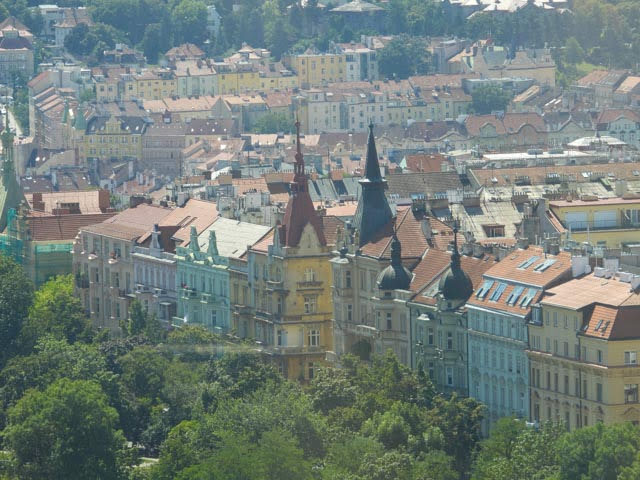
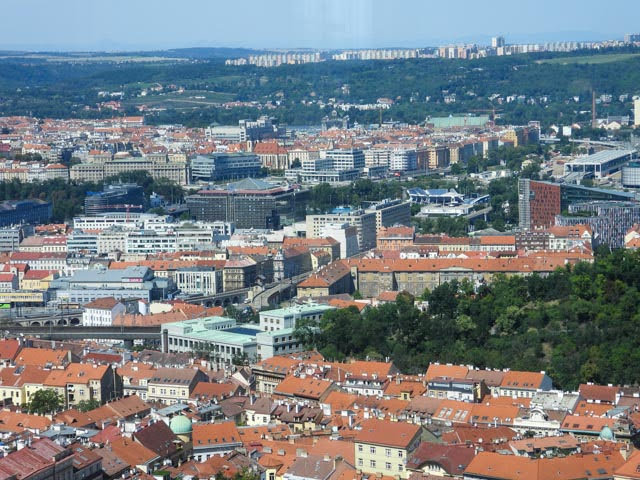
The distressing aspect of the tower (aside from its renown as one of the world’s ugliest buildings, is the fact that the Communists did not care that they were tearing up a 17th-century Jewish cemetery. Soil and bones were dumped in a landfill and the gravestones used as cobblestones in Wenceslas Square. In 2020, a memorial made of some 6,000 broken headstones of Jewish graves were returned to the Jewish community who commissioned the artists Jaroslav and Lucie Rona to create a memorial comprising comprises a mound surrounded by nine blocks made up of the cobblestones.
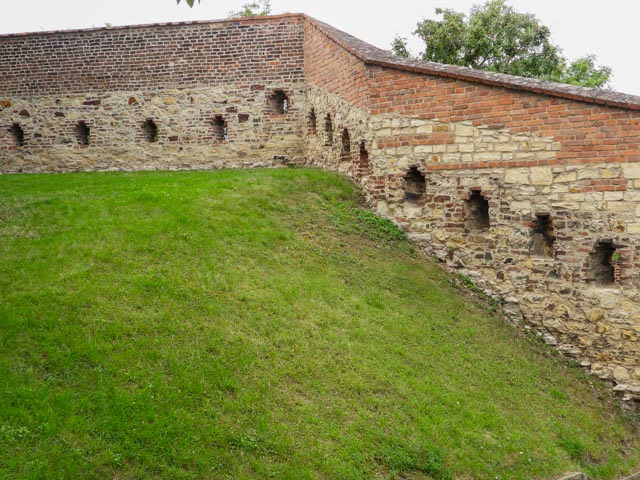
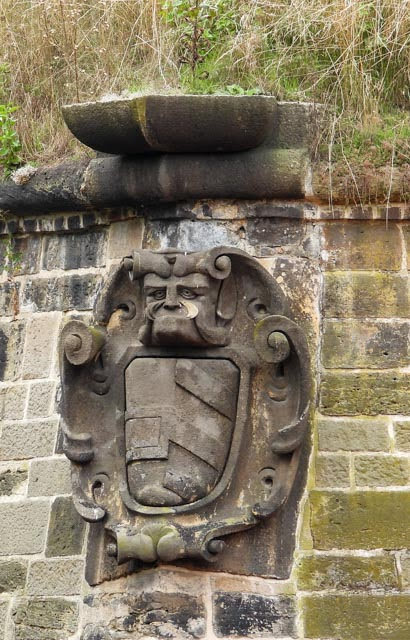
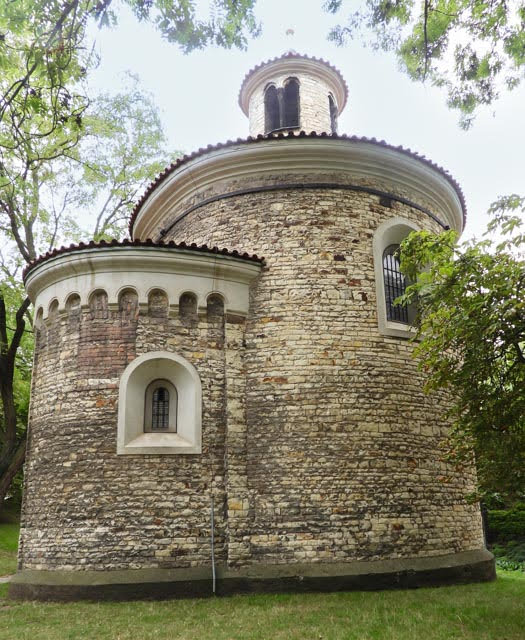
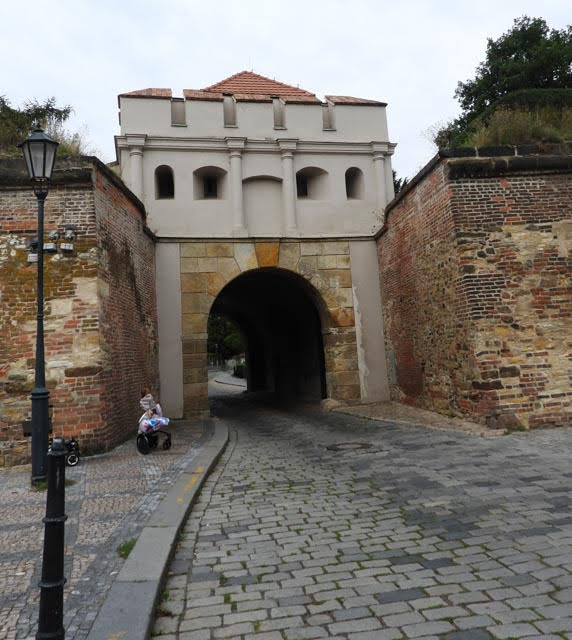
Saturday, we walked over to Vyšehrad, which is the old walled city. You won’t be surprised to know that it’s atop yet another of Prague’s bazillion hills (most of which we had to climb in order to get there). Where else would you put a fortress but on a giant rock overlooking the Vltava? No one is 100 percent sure how long there’s been a settlement there, and according to the website, mention of the hill town date back “only” to the mid-10th century. We liked it not only for the spectacular views (duh, it’s on a hill) but because the site is well-preserved, including several Ye Olde beer garden and grills with a lot of informative plaques so we knew what we were looking at. I love exploring and there was plenty of ground to cover. Vyšehrad also had the benefit of not being in Old Town, thus being much more serene.
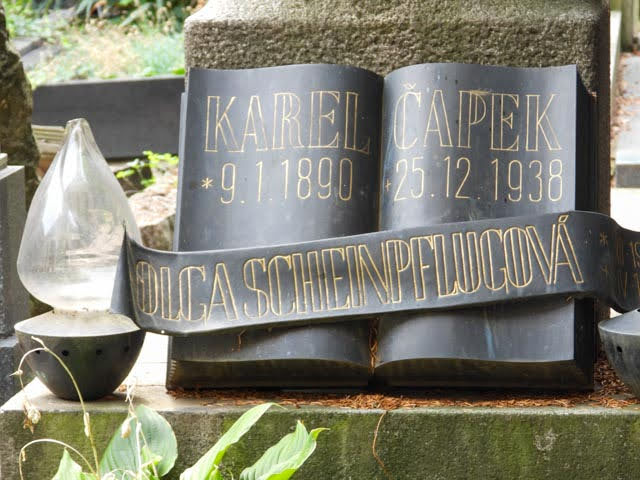
The site also served as a castle and now houses the Basilica of St. Peter and St. Paul and Vyšehrad Cemetery, where we almost lost Dead Person Bingo for the first time! We easily found the composer Antonín Dvořák, but due partly to my not knowing the author Capek’s first name, we wandered several times and were about to give up when Steven persevered (one could say I was behaving robotically!) and realized we were looking for the wrong Čapek (not that we found him either). At last we found Karel Čapek and our day was complete.

The highlight of our Sunday was having lunch at Steven’s new favorite restaurant: Fat Fuck. No really, that’s the name. It’s a hamburger and beer joint around the corner from us. And, yes, they have veggie burgers (Beer, burger and fries were all excellent).
We decided that the weekend was not the time to book a tour of the Jewish quarter because we had seen the crowds on our first weekend in Prague. Instead, we headed over Wednesday morning. I highly recommend booking through the Jewish Museum, not only because they get the proceeds, but because they have priority access to the synagogues. The museum is a collection of four synagogues and the Old Jewish Cemetery and our guide, Hannah, grew up in Prague and is Jewish, so she had an interesting perspective. (Her father was not a fan of Communists, especially after they built the radio tower.)
Before WWII, the Jewish population of Czechoslovakia numbers more than 350,000 people; after the war about 55,000 and now, about 3,000. Hannah explained that there’s little reason for Jews to have returned to Czechia, first in the wake of Communism and now because they may have familial roots, but they have never been here.
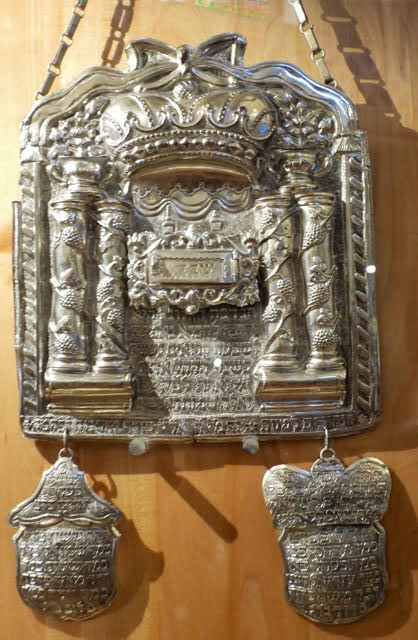
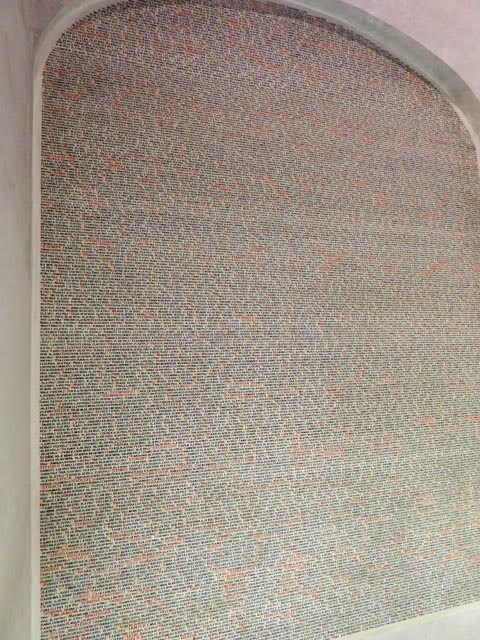

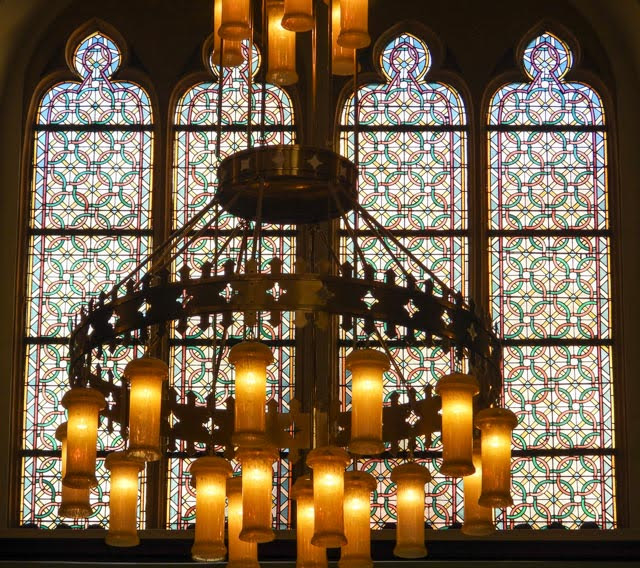
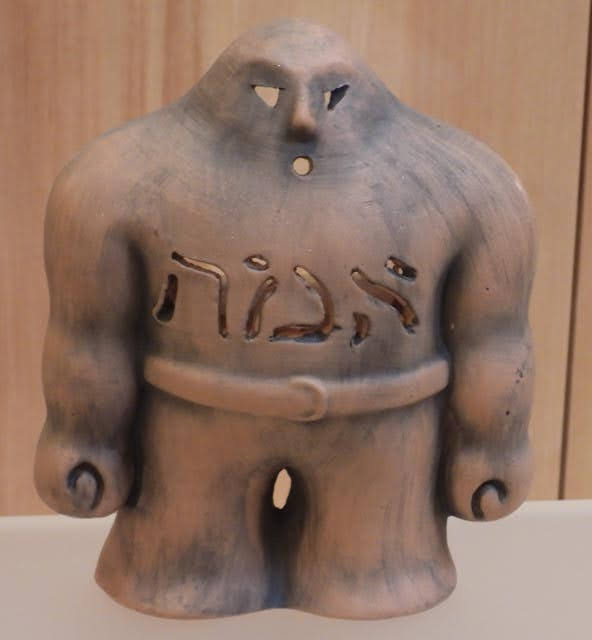


The Maisel Synagogue dates from 1592 and houses a large collection of Judaica. How did it end up there? The Nazis plundered all the artifacts and Hitler decided he would set up a museum to an extinguished race in Prague. The Pinkas Synagogue is a memorial to the the Victims of the Shoah from the Czech Lands and the walls are laden with their names (it is heartbreaking). The Old-New Synagogue the oldest existing synagogue in Europe and has been the main synagogue of the Prague Jewish community for more than 700 years. We then walked through the Old Jewish Cemetery, founded in the 15th century. Because space was tight, people are buried one on top of the other and as much as 10-people deep. No one knows the exact number of people buried there, but Hannah said a reliable number is 60,000. The last place we visited was the Spanish Synagogue, which is not Sephardic, but is designed in a Moorish style.
As Prague has not been immune to the heatwave of Europe, we took it easy the rest of the week. Temperatures here are in the mid-30s (low 90s F), about 9 degrees Celsius above average, but nowhere near the 40s (100+ degrees F) other places are experiencing.
 Doing It On The Road