
What? you ask. The Pacific is west in the Western Hemisphere, everyone knows that! Well, not if you’re in Panama, which runs east-west and happens to contain the narrowest point (51 miles) between the Atlantic (well,technically the Caribbean) and the Pacific making it attractive for digging a canal. It didn’t hurt that the U.S. already controlled the land,. The second choice was Nicaragua, which would have meant a 170-mile transit and more political machinations (which is pretty impressive, because in order to build it in Panama, the U.S. and the French had to incite and support revolt by the Panamanians against Columbia). The canal is still (or once again) a political hot potato, but we’re not going to go there.
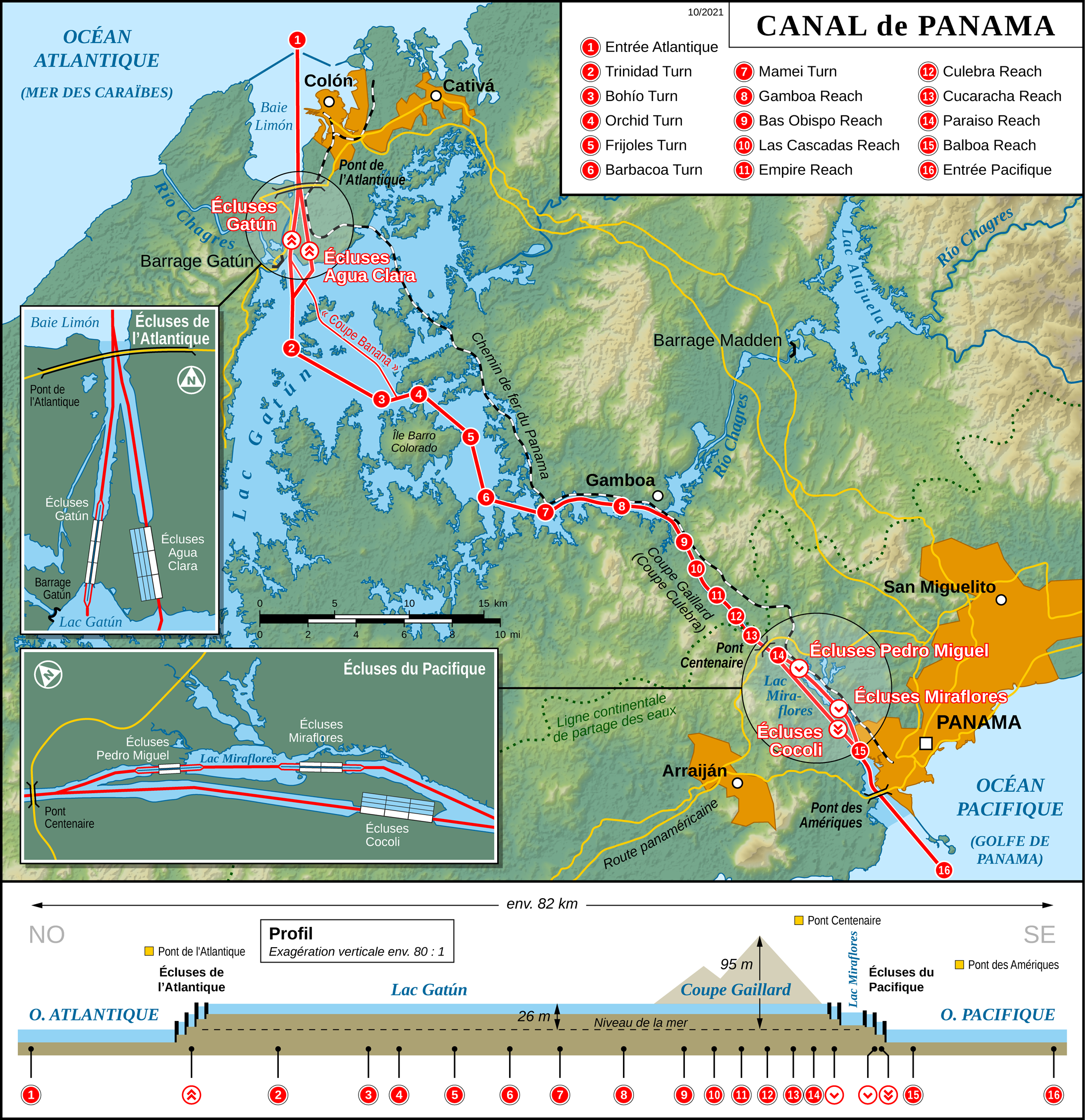
Why are we talking about the Panama Canal? First of all, it’s the main tourist attraction in Panama City. Second, last Saturday we did a full transit from Panama City to Colon. The tour only runs once a month and we had booked it right when we arrived here. We lucked out because there were two choices: we would have to arrive at the dock on Isla Flamingo at 6 a.m. or 7 a.m. and it’s a 20-minute drive from our apartment. Yay for 7 a.m.!
You might think that a 51-mile boat ride wouldn’t take very long, but you would be mistaken. Floating ships 85 feet over three sets of locks and then dropping them down again takes time. Lots of time. And waiting. So, all in, we were on the boat for 10 hours (average transit time is 8-10 hours), a lot of it bobbing peacefully in viewing distance of one set of locks or the other. That’s not to say that it wasn’t worth it (IT WAS TOTALLY WORTH IT! I LOVED IT!). We ended up sitting with a couple from San Francisco and trading travel stories. I also got a chance to practice my Spanish with a woman from Valencia. Ah, Valencia.
We did not go through the locks alone, but in tandem with Morning Carina, a cargo ship hauling thousands of cars. To make sure these giant ships don’t scrape against the sides of the canal, the ship is tied to little locomotives called mules that guide it through with a whopping two feet of clearance on either side of the 110-foot wide channels. In 2016, the canal was expanded with new, wider locks (they are 185 feet wide) that can handle ships that carry 14,000 20-foot shipping containers, but we didn’t use those.
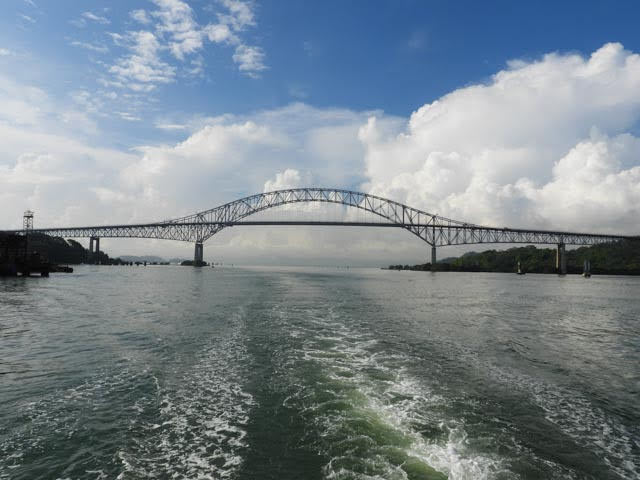



We were two among the average of 40 ships that transit the canal every 24 hours. More than 1 million have made the trip since the canal opened in 1914. Each one of those ships must be steered by a specially trained Panama Canal captain, who is paid through the tolls of between $300,000 and $1 million depending on the size and type of ship. Those tolls do not include the $2,000-an-hour fee for the tugboats that guide the ships into the proper position to enter the locks. In 2024, the canal took in almost $5 billion, about 4% of the country’s GDP. (Fun fact: the smallest toll was $0.36 for a guy who was swimming the canal — the row boat that protected him from the alligators was extra).
The United States controlled the Panama Canal Zone from the days of Teddy Roosevelt until Señor James Carter, as he is known in plaques and statues here, negotiated an end to U.S. control. The canal was turned over to Panama on Dec. 31, 1999.
We learned a lot of this as the poor tour guide filled the time while we sat and waiting our turn at the locks.
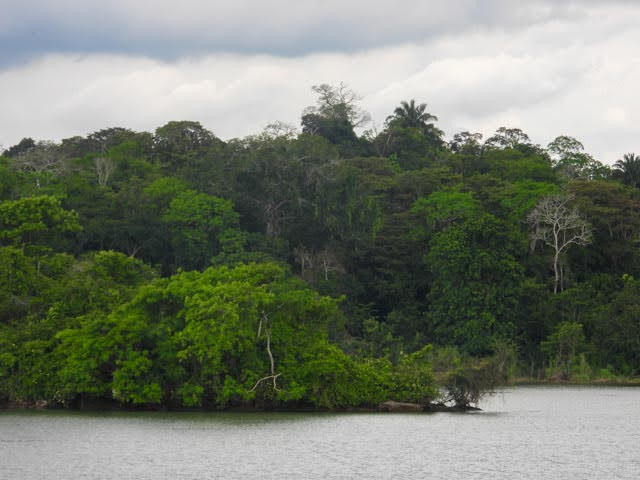
As we navigated, we could see the jungle on either side, most of which is nature preserves or national parks. As per the norm during the rainy season, we also got to witness an amazing lightning storm over the mountains. Never fear, there was an air-conditioned inside of the boat, so if the lightning got too close, we could always head in.


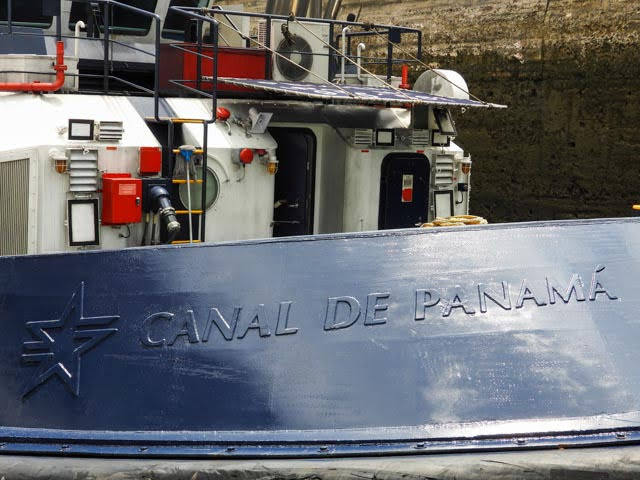


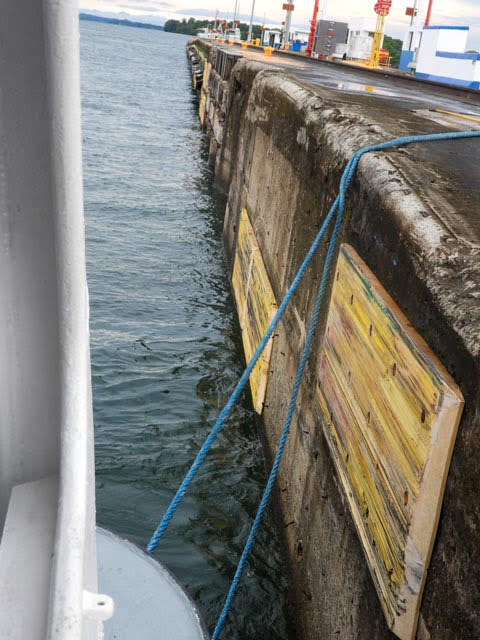
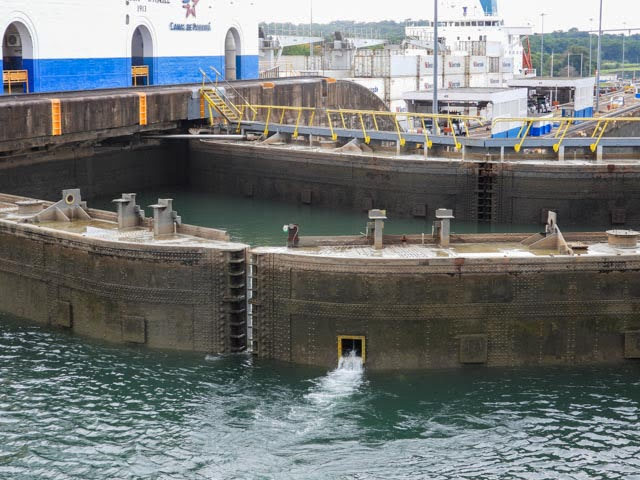
Of course, the coolest part of the trip was our entry and exit from the locks . We entered behind the big ship when we were rising to the level of Gatun Lake (86 feet above sea level), and in front when we were heading back down to the Pacific. We could stand at the bow or stern, watch the locks encase us and then see the ship rise or fall as the water was pumped in or out (Each lock takes about seven minutes to close, fill or empty and then open back up, so our total time in the locks was about 42 minutes). The locks are necessary because the tidal levels of the Atlantic and Pacific are different.
After we made it through the third set of locks, we cruised into Colon and headed straight for the bus for the 90-minute drive back to Panama City. A long day, but well worth it.
 Doing It On The Road
I miss Panama so much!!! My Favorite Country! Thank you so much for sharing 😄
Brandon Cooney Chief Operating Officer Capital Gate Insurance Group
1843 Central AveAlbany, NY 12205P. 518-389-2610F. 518-269-3410 Toll: 800-204-3344
LikeLike