Plus a Valencian History Lesson
We’ve been back in Valencia for a few weeks now and we’ve made the most of it. We’ve already reconnected with friends and have begun to reestablish our routines, which means we’re back at the gym (oh yay) and are eating our big meal at lunchtime and a delicious salad (oh yay again) for dinner.
While we do have a few friends here, we’re trying to expand our social network, by which I mean I am trying to expand our social network and Steven sometimes comes along for the ride. I’ve been to a few activities of the International Women’s Club of Valencia in an attempt to meet some new people. One of them, Drink and Draw, only proved that I draw no better with a glass of wine in me than I do completely sober. I’ve also connected with a Spanish woman for a language exchange once a week at a nearby cafe. I think her English is better than my Spanish, but I’m getting there and she is a lovely person. I am determined to make friends who are not all expats, but it’s not that easy.
Last week, festivities started in honor of the founding of Valencia, meaning that Rey Jaume (James I of Aragon or James the Conquerer to us English speakers) conquered the Moors in Mallorca and then headed over to Valencia to grab some more land. The Moors surrendered on October 9, 1238, marking the birth of the Kingdom of Valencia and the language and traditions that have evolved into the paella, tapas and 10 a.m. beer culture we know and love today.
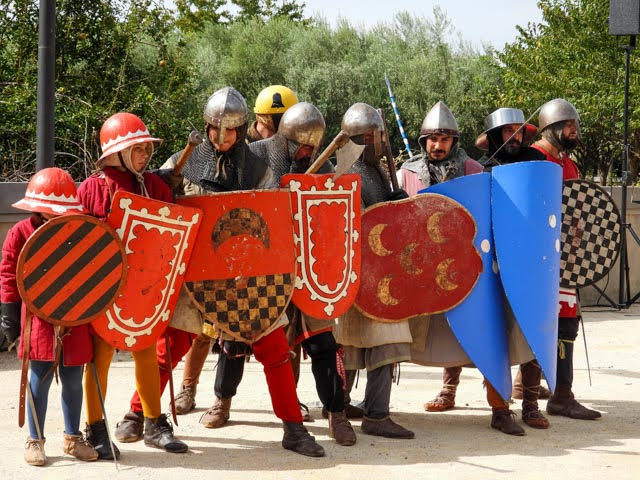
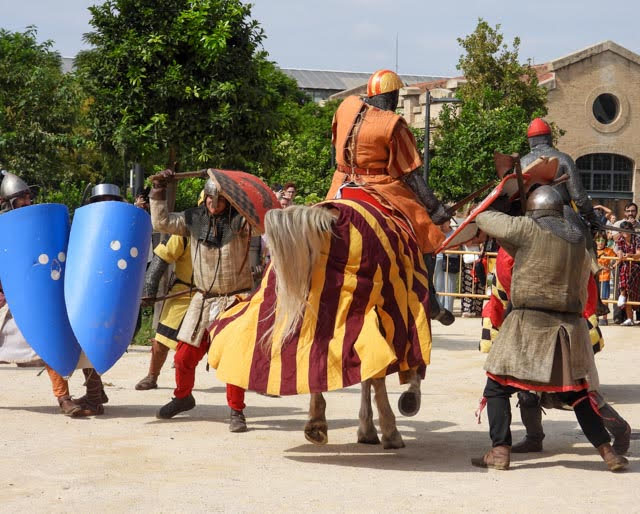
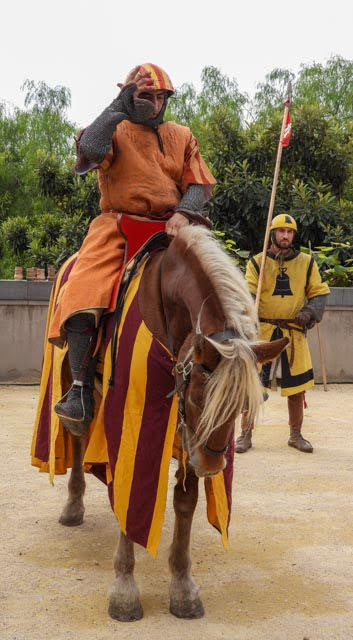
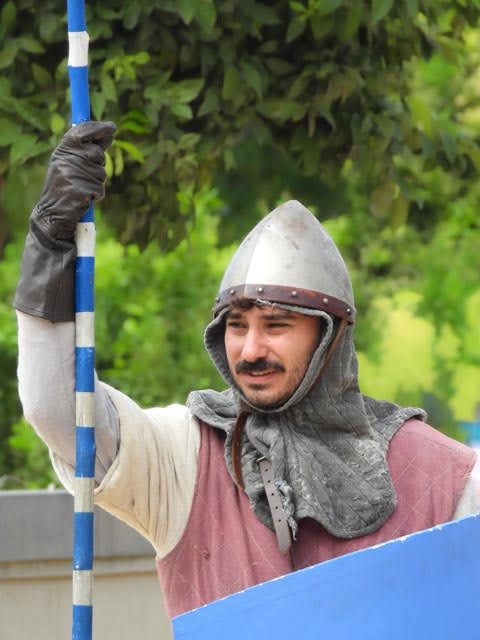
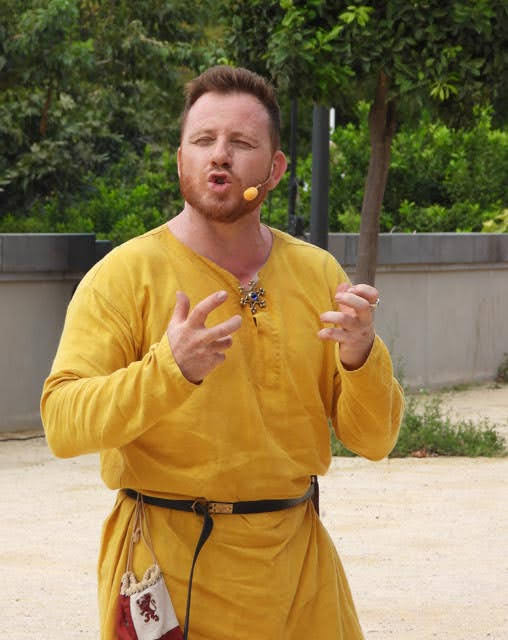
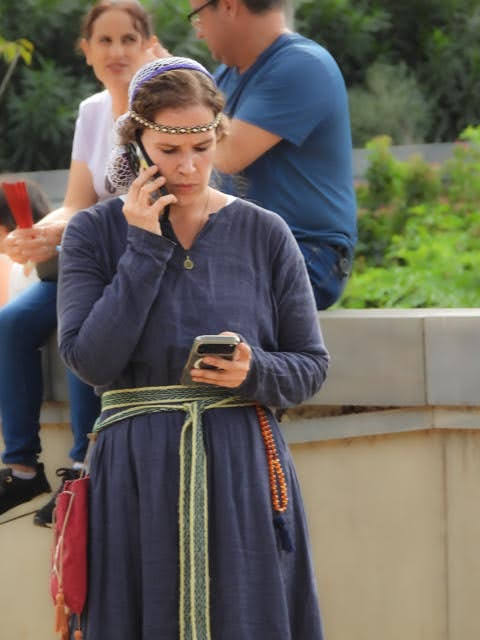
We went to a demonstration of the amazing fighting skills of Medieval soldiers, chain mail, horses and all. We went to Parque Central, where watched the techniques and technologies Jaume and his men used with excellent explanations of it all. The most amazing part? More than 100 spectators patiently waited in an orderly line in the sun when the demonstration area filled up. Yes, it’s true! Without demarcated lines and velvet ropes, people just waited, us among them. We weren’t quite sure what was going on, but patience paid off when we began moving into the demonstration area to watch our own show. Think Civil War reenactment, but 600 years earlier.
After the show, we went out for tapas with our good friends Nancy and Paul at La Flaca de Ruzafa. We recommend it. Three hours later, we were ready to head home (a reasonably well-paced meal in Valencia).
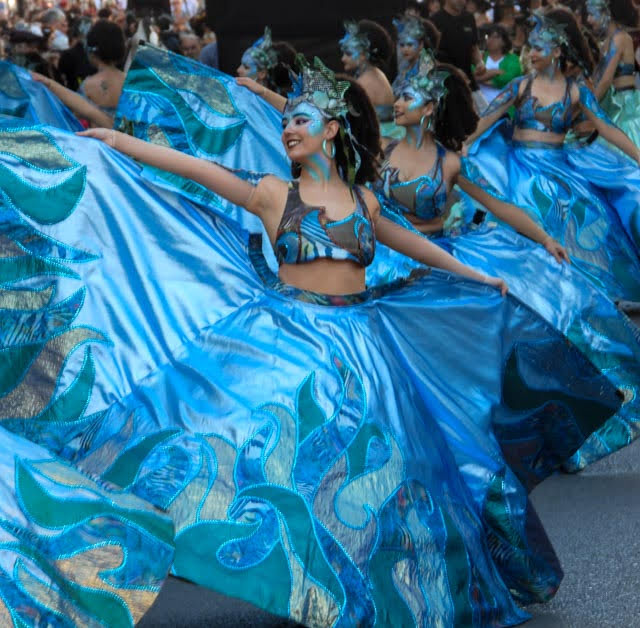
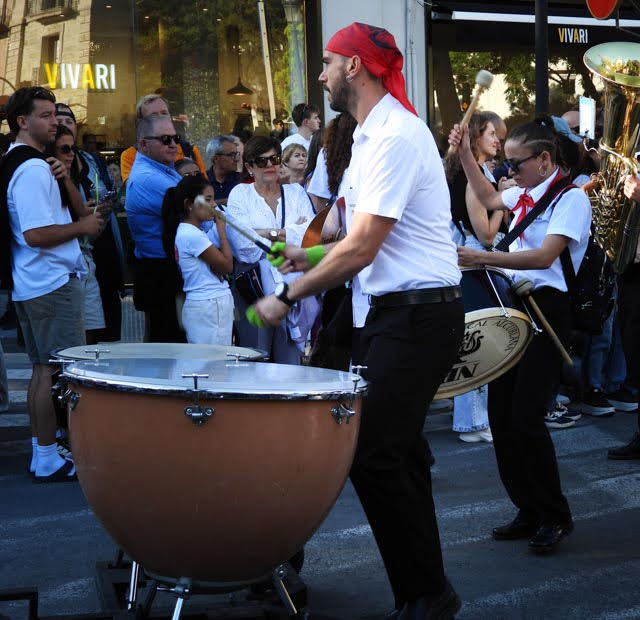
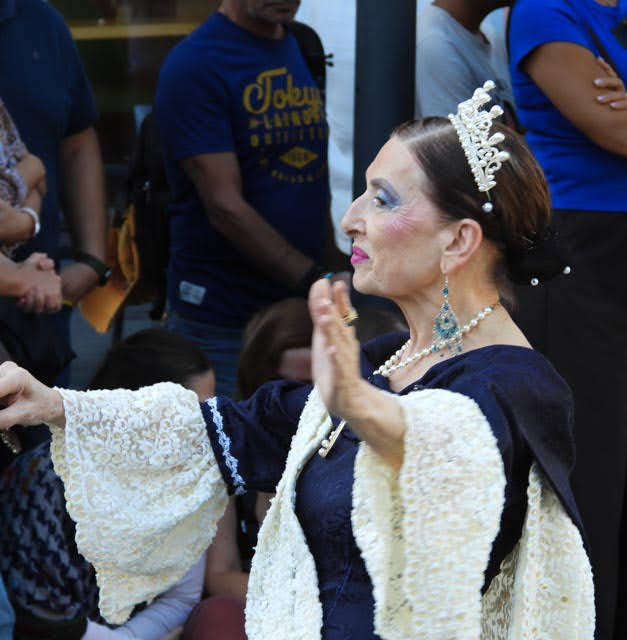
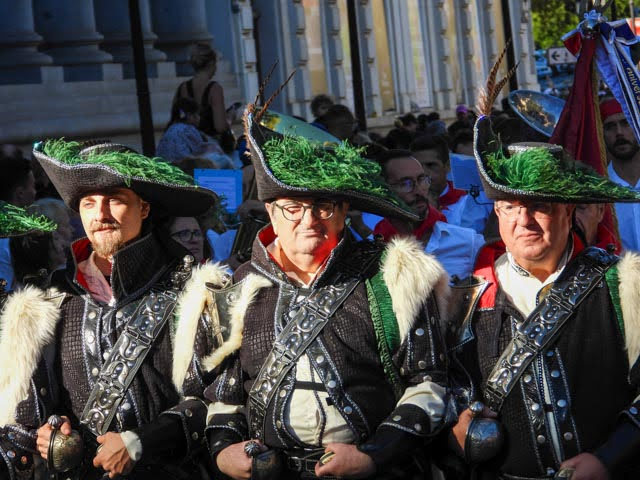
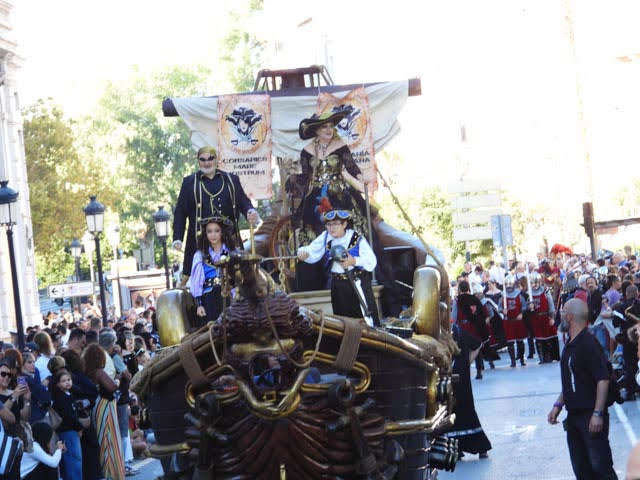
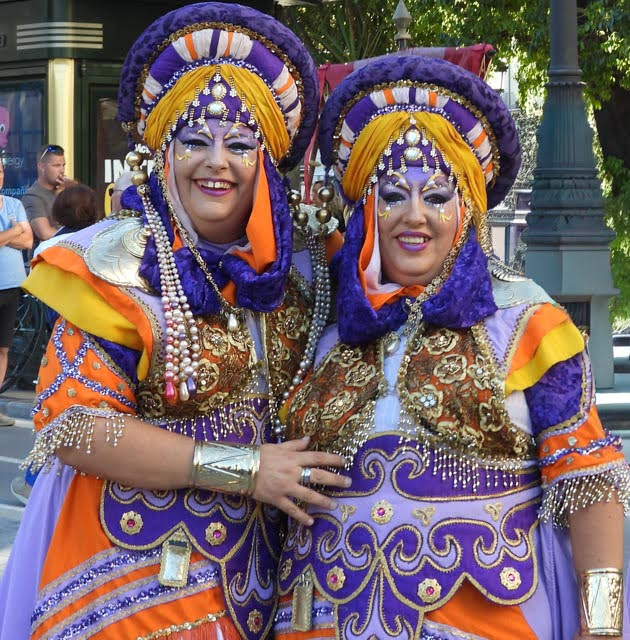
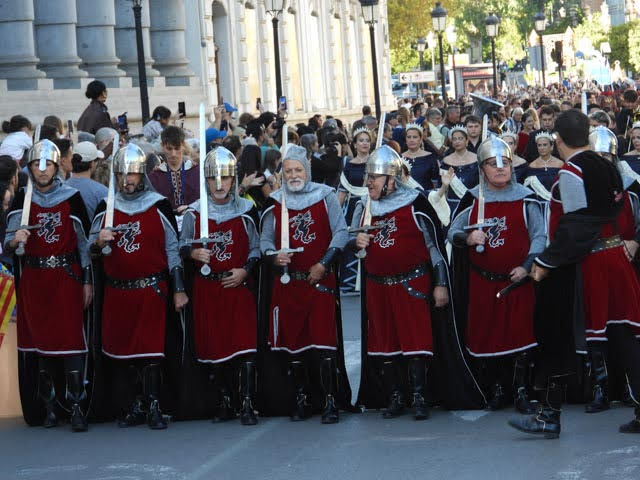
This year marks the 750th anniversary of Jaume’s death, a good excuse to expand the partying, which occurs every year. The one hiccup is that there is a protest encampment in City Hall Plaza, so the city cancelled the traditional mascletà, or daylight fireworks show, to keep everyone safe. The protesters did agree to clear a path for the ceremonial appearance of the Reial Senyera, Valencia’s historic royal flag, and for the parade of the Moros y Cristianos (I think you can figure that one out).
We attended part of the parade and I must say that Valencians go all out. This is no local Fourth of July affair with the Boy Scouts. Think more like Thanksgiving Day parade, but with culture and historic costumes and minus cartoon floats. And did I mention fireworks? Yes, there are and will be fireworks. There always are.
Finally, we headed over to what was billed as a Medieval Festival, but was akin to every festival that we’ve been to all around the world: crowded, fried food to eat, cheese, bread, and sweets to take home and handmade arts and crafts including a lot of jewelry. I think you can picture it. We did, however, score some delicious olives (my new favorite snack – olives in garlic and lemon brine. — [still not an emdash] Yum!) because we had forgotten to pick them up at the mercado.

